

Books used to be written by hand. Then typewriters came along. Then basic computer apps. But here’s the thing – writing a whole book is tough. Really tough. It’s not just one big file. We’re talking hundreds of pages. Characters to track. Plot twists to manage. Research notes everywhere. When do you use basic tools? Things get messy fast. You lose your ideas. You spend more time scrolling than writing.
But hey, things got better! Writers now have special software. These tools? Built just for authors like you. They keep your chapters neat. Store your notes. Help you hit your daily word goals. They even help turn your draft into a real book people can buy.
Got a tiny ebook idea? Or maybe a huge fantasy novel? The right software makes it easier. Way easier. It clears the mess. You focus on your story.
This guide shows you everything. What book writing software is, why authors love it. The best tools for 2025. How much they cost. And how to pick the right one. Simple words. Clear steps. The whole picture.
Why Authors Use Special Writing Software
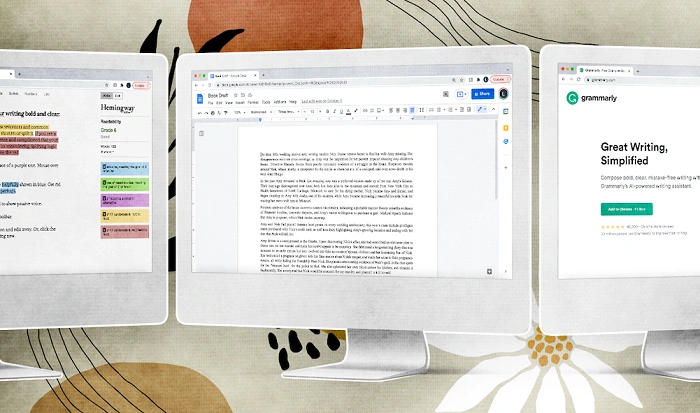
Writing a book isn’t like writing an email. It takes months. Maybe years. Here’s why authors switch to pro tools:
- Everything stays in one spot. No more lost files!
- Organize by scene. Drag and drop whole chapters.
- Track your goals. See how close you are to it.
- Distraction-free modes. Just you and your words.
- Character bibles. Never forget their eye color again.
- Easy formatting. Turn your words into a real book file.
- Cloud backup. Your work saves itself. Never lose a word.
Authors are busy. Jobs. Families. Big dreams. When they sit down to write? They don’t want to waste time. They want to open an app and go. Pro software makes that happen.
What Book Writing Software Actually Does
Think of it like a digital desk. It has drawers for notes. A board for your outline. A clean space to write.
Story Planning and Outlining
Most tools have an “outliner” or “corkboard.” You write tiny summaries on digital cards. Chapter 5 should be Chapter 2? Just drag it. The software moves everything for you. Nice!
Character and World Building
Make special pages for your characters. Add photos. Write their stories. Do the same for your settings. This helps when your book gets long. You won’t forget stuff.
Writing Targets
Staying motivated is hard. Most apps let you set goals. Like “50,000 words by December.” Every time you write? The app updates. It tells you exactly how many words you need today. Super helpful!
Research Storage
Writing about 1920s Paris? You’ve got maps and photos. Put them right in your book project. Look at research on one side. Write on the other. Easy!
Top Software Choices for 2025
Lots of options out there. Here are the ones authors love most:
| Software | Best For | Main Benefit |
| Scrivener | Deep Planners | The “Gold Standard” for complex books |
| Atticus | Self-Publishing | Writing and formatting in one |
| Dabble | Modern Ease | Simple, cloud-based, works everywhere |
| LivingWriter | Beginners | Story templates help you start fast |
| Ulysses | Mac Users | Clean, fast, and pretty to look at |
| Google Docs | Collaboration | Free and great for working with editors |
A Day in the Life of a Digital Author
Here’s how your writing day might look:
- 7:00 AM: Wake up. Open your app on your tablet. Check your Goal Tracker. You’re 60% done! That feels good.
- 8:30 AM: New scene idea on the train? Open the mobile app. Jot it down in Notes. It syncs to your computer. Magic!
- 1:00 PM: Lunch break writing time. Open your laptop. Use Split Screen. Character profile on the left. Write dialogue on the right. No guessing what they’d say!
- 6:00 PM: Done for today. Hit your 1,000-word goal. Green checkmark appears. You feel great! Hit Save. Your work backs up in three places.
How Much Does It Cost?
Most writing software works two ways:
- One-Time Purchase: Pay once. Own it forever. Scrivener costs $60. Atticus is $147. Costs more at first. Saves money later.
- Subscription: Pay monthly. Dabble and LivingWriter cost $10-$20 per month. Good for trying it out.
There are free options too! Google Docs costs nothing. FocusWriter gives you a blank screen. Also free.
Benefits and Challenges
The Good Stuff
- Better Flow: Less time searching. More time writing.
- No Format Stress: Don’t worry about margins till the end.
- Write Anywhere: Park, cafe, or desk. Your choice!
- Feel Like an Author: Watch your word count grow. It feels amazing!
The Tricky Parts
- Learning Curve: Some tools have lots of buttons. It takes time to learn.
- Extra Cost: It’s money for a hobby that might not pay yet.
- Tech Issues: No internet? Some cloud tools won’t work right.
Tips for Choosing Your Software
- Test the Trial: Most apps give you 14-30 days free. Try before you buy!
- Know Your Style: Plan everything? Get Scrivener. Just write and see? Try Ulysses or Dabble.
- Check Your Device: Make sure it works on your computer. Some are Mac-only.
- Think About Publishing: Want to print your book? Atticus does the layout for you.
- Keep It Simple: If the software stresses you out? Wrong software. It should help, not hurt.
The best book writing software? The one that gets you writing. Tech can’t write for you. You still do the hard work. You find the right words. But good tools make the climb easier.
Want to stay organized? See your progress? Make a pro-looking book? Then a writing app makes sense.
Start with a free trial. Set a small goal. Write one scene. Those scenes become chapters. Those chapters? Your book.
Your story needs to be told. The right software helps you finish it. You’ve got this