



Leases used to be simple. You rented an office. Maybe some equipment. Paid monthly. Wrote it down. Done. Then accounting rules changed. Now leases sit on balance sheets. Numbers matter more. Dates matter more. One small mistake? Big reporting trouble. That’s where lease accounting software comes in. If you manage leases using spreadsheets today, you already know the pain. Files everywhere. Dates missed. Calculations double-checked again and again. Auditors asking questions you’re not fully sure about.
This guide breaks down the best lease accounting software. What it does, why companies need it, who should use it, what features actually matter and how to choose the right one without overpaying or overcomplicating things.
No jargon. No sales talk. Just real help.
What Is Lease Accounting Software?
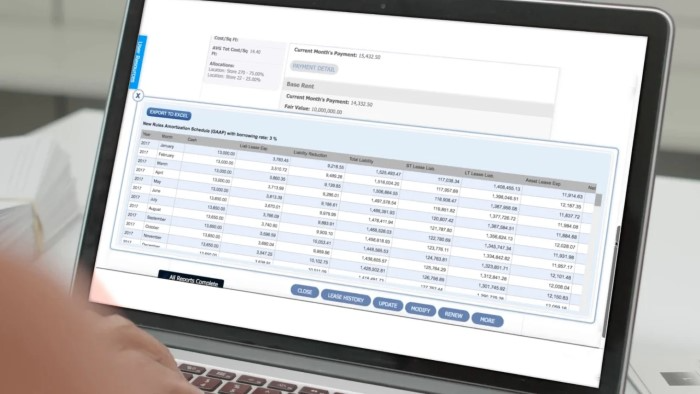
Lease accounting software helps businesses track, calculate, and report leases correctly under modern accounting rules.
Instead of manual spreadsheets, the software:
- Stores all lease details
- Calculates liabilities and assets
- Tracks payments and changes
- Creates audit-ready reports
It turns messy lease data into clean numbers.
Most importantly, it helps companies follow rules like:
- ASC 842
- IFRS 16
Without this software, compliance becomes slow, risky, and stressful.
Why Lease Accounting Software Is Now Essential
Accounting rules changed how leases are treated.
Before:
- Operating leases stayed off the balance sheet
- Reporting was lighter
Now:
- Most leases must appear on the balance sheet
- Right-of-use assets and lease liabilities are required
- Disclosures are detailed and strict
This shift made manual tracking almost impossible for growing companies.
Lease accounting software exists to:
- Reduce compliance risk
- Save time
- Avoid reporting errors
- Make audits smoother
For many finance teams, it’s no longer optional.
Who Needs Lease Accounting Software?
More businesses need this than they realize.
Companies With Multiple Locations
Retail chains, restaurants, offices, warehouses. Each lease adds complexity.
Equipment-Heavy Businesses
Companies leasing vehicles, machinery, medical equipment, or IT assets.
Growing Startups
Scaling fast means signing leases fast. Tracking manually doesn’t scale.
Public Companies
Strict reporting standards make automation necessary.
Private Companies Preparing for Audit or Sale
Clean lease data increases trust and valuation.
If your company has more than a handful of leases, software saves real money and time.
What Good Lease Accounting Software Actually Does
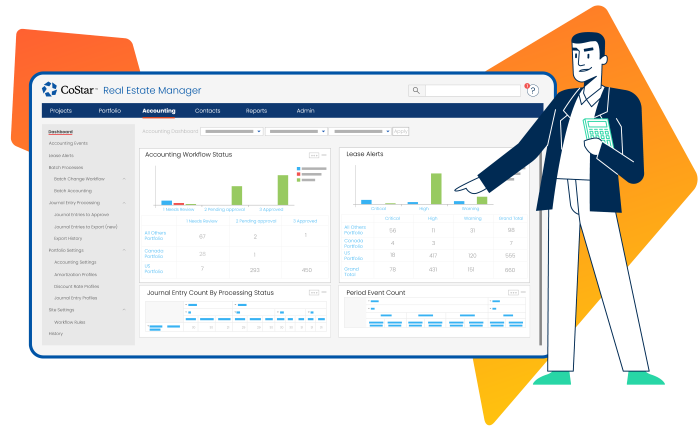
Not all tools are equal. The best ones focus on a few core jobs.
Central Lease Storage
All leases live in one place. Contracts. Dates. Terms. No hunting through emails or folders.
Automatic Calculations
The software calculates:
- Lease liabilities
- Right-of-use assets
- Interest and amortization
- Monthly and yearly balances
No manual formulas. No guesswork.
Compliance Handling
It applies the correct accounting standard automatically based on your settings.
Payment Tracking
Tracks rent schedules, escalations, and changes over time.
Modifications and Reassessments
Handles renewals, term changes, remeasurements, and early terminations.
Reporting and Disclosures
Creates audit-ready reports with a few clicks.
That’s the core value. Everything else is extra.
Key Features to Look For in the Best Lease Accounting Software
When comparing options, focus on features that actually matter.
Compliance Support
The software must fully support ASC 842 and IFRS 16. Partial support is risky.
Ease of Use
Finance teams should not need weeks of training. Clean interface matters.
Import From Spreadsheets
Most companies start with Excel. Easy migration is important.
Audit Trail
Every change should be logged. Auditors love this.
Scenario Handling
Ability to model changes before committing them.
Integration With Accounting Systems
Smooth sync with ERP or accounting software saves hours.
Security and Access Control
Lease data is sensitive. Permissions matter.
Fancy dashboards are nice. Solid fundamentals are better.
Why Spreadsheets Fail at Lease Accounting
Spreadsheets feel cheap. But they cost more over time.
Common problems:
- Formula errors
- Missed renewal dates
- Broken links
- Version confusion
- No audit trail
- Hard to scale
One mistake can:
- Misstate financials
- Delay audits
- Trigger compliance issues
Lease accounting software reduces human error dramatically.
Cloud-Based vs On-Premise Lease Accounting Software
Most modern tools are cloud-based.
Cloud-Based Software
- Access anywhere
- Automatic updates
- Easier collaboration
- Faster setup
On-Premise Software
- More control
- Higher setup cost
- Maintenance required
For most companies today, cloud-based solutions make more sense.
How Lease Accounting Software Helps During Audits
Audits are where the value really shows.
Instead of scrambling:
- Auditors get clear reports
- Calculations are transparent
- Changes are documented
- Supporting documents are linked
This reduces:
- Audit time
- Back-and-forth questions
- Stress on finance teams
Many companies recover the software cost in saved audit hours alone.
Lease Accounting Software for Small vs Large Businesses
Size matters when choosing software.
Small Businesses
Need:
- Simple setup
- Affordable pricing
- Core compliance features
- Easy learning curve
Overly complex systems become unused.
Large Enterprises
Need:
- Scalability
- Multi-entity support
- Advanced reporting
- Strong integrations
Choosing the wrong size tool creates frustration on both ends.
Common Mistakes Companies Make When Choosing Lease Accounting Software
These mistakes cost time and money.
Buying Too Much Software
Paying for features you’ll never use.
Ignoring Ease of Use
A powerful tool nobody uses is useless.
Underestimating Data Cleanup
Bad input data leads to bad results.
Not Involving Auditors Early
Auditor expectations matter.
Delaying Implementation
Waiting too long increases risk.
Good planning avoids most of these problems.
How Long Does Implementation Take?
It depends on:
- Number of leases
- Data quality
- Team readiness
Rough timelines:
- Small setups: a few weeks
- Medium companies: one to two months
- Large portfolios: several months
Clean data speeds everything up.
Lease Accounting Software and Ongoing Maintenance
This is not a one-time task.
Ongoing work includes:
- Adding new leases
- Updating modifications
- Reviewing reports
- Monitoring renewals
Good software makes maintenance light and predictable.
Bad software makes it painful.
Costs: What You’re Really Paying For
Pricing varies widely.
Costs usually depend on:
- Number of leases
- Features included
- Support level
- Integrations
Remember:
Cheap software that causes errors is expensive.
Reliable software that saves time pays for itself.
Focus on value, not just price.
How Lease Accounting Software Improves Decision Making
Beyond compliance, good software helps leaders decide better.
You can:
- See total lease exposure
- Compare lease vs buy options
- Understand long-term obligations
- Plan cash flow better
This turns lease data into strategy, not just reporting.
Signs You’re Ready for Lease Accounting Software
You probably need it if:
- You manage leases in Excel
- Audits take too long
- You struggle with ASC 842 or IFRS 16
- Lease data lives in many places
- Renewals catch you by surprise
These are clear warning signs.
Future of Lease Accounting Software
Space is still evolving.
Trends include:
- More automation
- Better integrations
- AI-assisted data extraction
- Cleaner reporting
Software will keep reducing manual work.
Lease accounting got complicated. Software made it manageable. The best lease accounting software doesn’t just check a compliance box. It saves time. Reduces risk. Makes audits easier. And gives clarity where spreadsheets fail. The right tool depends on your size, lease volume, and needs. But doing nothing is usually the worst option. If leases are part of your business, proper software turns a constant headache into a controlled, predictable process.