



Health insurance used to be a paperwork nightmare. Think about it. Forms stacked on desks. Phone calls going back and forth. Claims taking weeks. Sometimes months. People are waiting. Hospitals chasing approvals. Insurance teams drowning in files. That system doesn’t work anymore.
Healthcare is fast. People expect quick answers. Doctors need instant approvals. Patients want to see coverage details right now. On their phone. Not after ten calls. That’s where health insurance software comes in. Health insurance software helps insurers manage policies, claims, members, hospitals, and compliance in one place. No chaos. No guessing. Just clear data and smooth workflows.
But building this kind of software is not simple. You’re dealing with sensitive health data. Strict laws. Complex pricing rules. And millions of users who need things to work every single time. This guide breaks it all down. What health insurance software development really means. Why insurers invest in it. The key features. The tech stack. Costs. Challenges. And how to build the right system without burning money or time. Let’s get into it.
What Is Health Insurance Software Development?
Health insurance software development is the process of building digital systems that run insurance operations.
These systems handle things like:
- Policy management
- Member records
- Claims processing
- Premium billing
- Provider networks
- Customer support
- Compliance reporting
Instead of doing all this manually, the software automates it.
Think of it as the brain of an insurance company.
It connects customers, hospitals, agents, and internal teams. Everyone works from the same data. In real time.
Good software reduces errors. Speeds up claims. Cuts costs. And improves trust.
Bad software does the opposite.
That’s why development matters so much in this space.
Why Health Insurance Companies Need Custom Software
Off-the-shelf tools can help. But they often fall short.
Health insurance is complex. Every company has different plans, rules, pricing models, and workflows.
Custom software solves real problems.
Here’s why insurers invest in it.
Faster Claims Processing
Manual claims are slow. Software can auto-validate claims, flag issues, and approve simple cases in minutes.
That keeps customers happy.
Fewer Errors
Human errors cost money. Wrong payouts. Missed documents. Compliance issues.
Automation reduces mistakes.
Better Customer Experience
Customers want to:
- Check coverage
- Download policy documents
- Track claims
- Chat with support
All from one app.
Software makes that possible.
Regulatory Compliance
Health insurance laws are strict. Software can enforce rules, store audit logs, and generate reports automatically.
That’s huge.
Cost Savings Over Time
Yes, development costs money. But manual operations cost more in the long run.
Good software pays for itself.
Core Types of Health Insurance Software
Health insurance systems usually include several connected parts.
Let’s look at the main ones.
Policy Management System
This handles:
- Policy creation
- Coverage details
- Renewals
- Upgrades
- Cancellations
Agents and customers both use it.
Claims Management System
This is the heart of insurance operations.
It manages:
- Claim submission
- Document uploads
- Verification
- Approval or rejection
- Payment tracking
Smart systems use rules and AI to speed things up.
Member Management System
Stores all customer data:
- Personal info
- Policy history
- Claims history
- Communication logs
Everything in one place.
Provider Network Management
Hospitals and doctors need access too.
This system manages:
- Provider contracts
- Rates
- Coverage eligibility
- Direct billing
It keeps the insurer and hospital aligned.
Billing and Payments
Handles:
- Premium calculations
- Invoices
- Online payments
- Refunds
- Late fees
Automation here reduces disputes.
Key Features Every Health Insurance Platform Needs
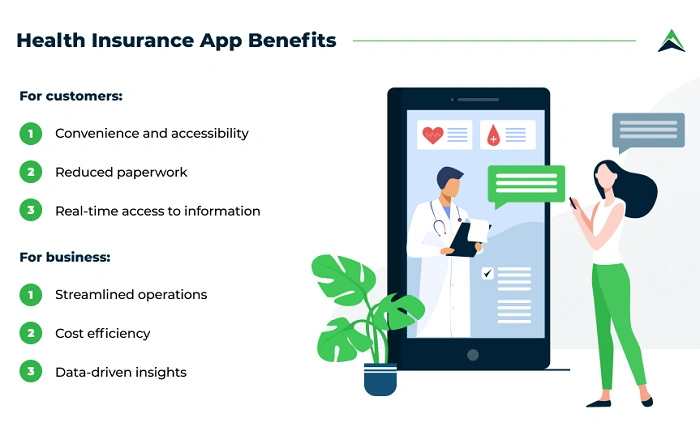
No matter how big or small the insurer is, some features are non-negotiable.
Here’s what modern platforms must include.
Secure User Login
Health data is sensitive. Systems must use strong authentication.
Think:
- Role-based access
- Two-factor login
- Encrypted sessions
Security first. Always.
Claims Tracking Dashboard
Customers want transparency.
A simple screen showing:
- Claim status
- Required documents
- Expected payout date
Cuts support calls in half.
Document Management
Insurance runs on documents.
Software should:
- Upload files easily
- Store them securely
- Link them to claims and policies
No lost paperwork.
Automated Rules Engine
This applies business rules automatically.
For example:
- Coverage limits
- Waiting periods
- Exclusions
It speeds decisions and keeps things fair.
Reporting and Analytics
Managers need insights.
Dashboards show:
- Claim ratios
- Fraud trends
- Revenue performance
- Customer behavior
Data drives smarter decisions.
Technology Stack Used in Health Insurance Software
The tech stack matters. A lot.
Here’s a common setup.
Frontend
This is what users see.
Popular choices:
- React
- Angular
- Vue
Clean design matters. Insurance users are not tech experts.
Backend
This runs the logic.
Common options:
- Java
- .NET
- Node.js
- Python
These handle heavy workloads well.
Database
Insurance data is massive.
Used databases include:
- PostgreSQL
- MySQL
- Oracle
- MongoDB
Choice depends on scale and complexity.
Cloud Infrastructure
Most insurers now use cloud platforms.
Benefits:
- Scalability
- Lower hardware cost
- Better disaster recovery
Cloud makes growth easier.
Security Tools
Mandatory in healthcare.
Includes:
- Data encryption
- Audit logs
- Intrusion detection
- Regular security updates
No shortcuts here.
A Day in the Life of Health Insurance Software
Let’s see how this software works in real life.
9:00 AM
A customer opens the app. Check coverage before visiting a hospital.
10:30 AM
The hospital submits a claim digitally. Documents uploaded instantly.
11:00 AM
System auto-checks policy rules. Flags nothing. Claim moves forward.
2:00 PM
Claims officer reviews edge cases. Approves payment.
4:00 PM
The customer gets notification. Claim approved. Money on the way.
No phone calls. No paper. No confusion.
That’s the power of good software.
Development Cost and Timeline
Costs vary a lot.
Here’s a rough idea.
Small System
Basic features. Limited users.
- Time: 4 to 6 months
- Cost: Medium range
Good for startups or niche insurers.
Mid-Size Platform
More features. Mobile apps. Integrations.
- Time: 6 to 10 months
- Cost: Higher
Common choice for growing companies.
Enterprise System
Large scale. High security. Advanced analytics.
- Time: 12 months or more
- Cost: High
Used by national insurers.
The key is planning. Poor planning wastes money fast.
Challenges in Health Insurance Software Development
This space is not easy.
Here are the big challenges.
Regulatory Complexity
Rules change. Often.
Software must adapt quickly without breaking things.
Data Security Risks
A single breach can destroy trust.
Security must be built in from day one.
Integration with Hospitals
Hospitals use different systems.
Making them talk to each other takes effort.
User Adoption
If staff find the software confusing, they won’t use it.
Design matters as much as code.
Tips for Building the Right Health Insurance Software
Thinking of building one? Keep these tips in mind.
Start with Clear Requirements
Know exactly what problems you’re solving.
Don’t build features nobody needs.
Involve Real Users Early
Claims staff. Agents. Customers.
Their feedback saves time later.
Build in Phases
Start small. Launch core features. Improve over time.
Big bang launches often fail.
Focus on Security from Day One
Don’t add security later. That’s risky.
Choose the Right Development Partner
Health insurance is not generic software.
Experience matters.
Benefits of Custom Health Insurance Software
When done right, the payoff is big.
- Faster operations
- Lower costs
- Happier customers
- Better compliance
- Easier scaling
It turns insurance from a headache into a service people trust.
Health insurance software development is not just about code. It’s about people. Patients waiting for care. Doctors needing approvals. Families depending on coverage. Good software makes their lives easier. Yes, it’s complex. Yes, it takes planning. But the rewards are worth it.
If you’re an insurer, investing in the right system is no longer optional. It’s survival. Start with a clear goal. Build step by step. Focus on users. Keep security tight. Do that, and your software won’t just run your business. It will improve lives. And that’s what healthcare should always be about.