

Selling software used to be easy. You built it. Burned CDs. Sold them. Done. Then things changed big time. Today People don’t buy software anymore. They just want to use it. They want it now. Pay monthly. Updates happen by magic. No setup mess. Just log in and work. That’s how SaaS was born. You know, software as a service? But here’s the thing. Building it? That’s just half the story. Selling it? That’s the real trick. Selling SaaS is weird. Not like selling stuff. Not even like old software. It’s a whole new game. New rules. New ways to think. This guide breaks it down simply. How it works, why it’s different, how to price it. Sell it. Keep people happy. And grow without going broke.
No fancy talk. No buzz words. Just real stuff that works.
What Does Selling Software as a Service Mean?
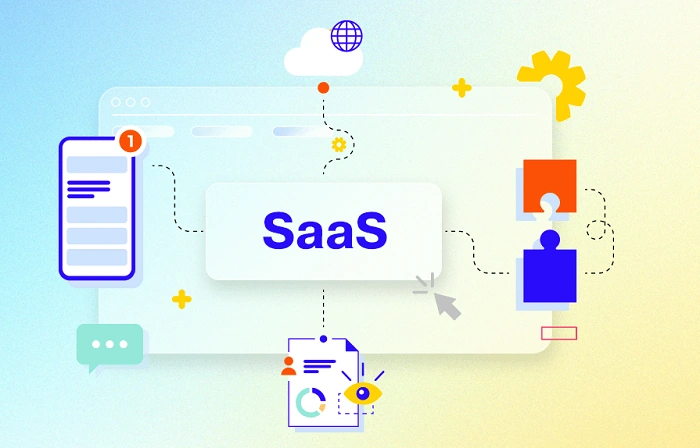
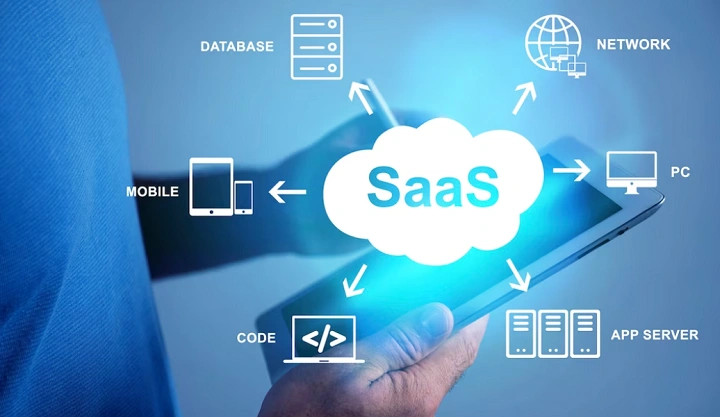
Selling SaaS means this: People pay to use your software online. They don’t buy it once. They pay every month. Or every year.
They pay like this:
- Monthly
- Every three months
- Yearly
They don’t own it. They rent it. Like Netflix!
You do all the work:
- Keep it online
- Fix bugs
- Add new stuff
- Keep it safe
- Help users
People get value over time. Not just once.
This changes everything about selling.
Why Selling SaaS Is Different From Selling Products
Old way? Close the deal. Take the money. See ya later.
SaaS? The sale never ends.
If people stop liking it, they quit. That’s called churn. And churn? It kills your business fast.
Here’s what matters in SaaS:
- First sale is just the start
- Keeping customers beats finding new ones
- Long game beats quick cash
You’re not selling software anymore.
You’re selling results that keep coming.
The Core SaaS Sales Mindset
To sell SaaS right, think different.
Don’t ask:
“How do we close this deal?”
Ask this instead:
“How do we keep them happy for years?”
This changes how you do:
- Pricing
- Setup help
- Support
- Product design
- Marketing
- Sales talks
Smart SaaS companies? They make sales and customer success best friends.
Also Read: Selling Software as a Service
Common SaaS Pricing Models
Pricing matters. A lot. Here’s how most do it.
Subscription-Based Pricing
The basic way. Pay every month for access.
Tiered Pricing
Different plans. Basic. Pro. Big company stuff.
Per-User Pricing
More people? Pay more.
Usage-Based Pricing
Use more? Pay more. Simple.
Freemium
Free version. Pay for cool features.
Each way changes how you sell. And who buys.
Choosing the Right Customers to Sell SaaS To
Not everyone should buy your SaaS.
Good SaaS companies know:
- Who needs them most
- What problem they fix
- How much value they give
Sell to wrong people? You get:
- People quitting fast
- Lots of complaints
- Bad reviews
- Slow growth
SaaS works best when:
- The problem is real
- The value is clear
- People need it daily
SaaS Sales Models Explained Simply
Different prices need different sales ways.
Self-Service Sales
People sign up alone. No talking. Works for cheap tools.
Inside Sales
Sales folks call or email. Good for mid-price stuff.
Enterprise Sales
Long talks. Demos. Big contracts. For pricey software.
Most SaaS companies mix these as they grow.
The Role of Free Trials and Demos
Free trials rock for SaaS.
They let people:
- See value first
- Test it real
- Feel safe
But do them right.
Bad trial? People get lost.
Good trial? People see wins fast.
Don’t show every button.
Show the result they want.
Marketing’s Role in Selling Software as a Service
In SaaS, marketing and sales are buddies.
Marketing helps by:
- Teaching people
- Building trust
- Finding leads
- Setting hopes right
Blogs, videos, guides – they matter. Lots of people decide before talking to sales.
Good marketing? Makes selling way easier.
Customer Onboarding Is Part of Sales
In SaaS, helping people start is still selling.
If users get confused:
- They won’t use it
- They won’t see value
- They’ll quit
Good setup help:
- Shows quick wins
- Kills confusion
- Builds trust
Fast value means they stay longer.
Retention and Expansion Are Where Real Revenue Comes From
SaaS grows by keeping people happy.
Retention means:
- People keep paying
- They renew
- They stay active
Expansion means:
- They buy bigger plans
- Add more users
- Get extras
Often, selling more to current users beats finding new ones.
Metrics That Matter in SaaS Sales
SaaS tracks different stuff than regular sales.
Watch these numbers:
- Money coming each month
- Cost to get customers
- How long they stay
- How many quit
- Who goes from free to paid
These tell you if you’re winning or losing.
Challenges in Selling Software as a Service
Selling SaaS has real problems.
Long Payback Periods
You spend money now. Make it back later. Maybe.
High Competition
Lots of SaaS out there. Lots.
Customer Education
Some tools need teaching. That takes time.
Churn Risk
People can quit any time. Ouch.
Constant Improvement
You can’t stop making it better. Ever.
Know these. Plan for them. Don’t panic.
Sales Teams vs Product-Led Growth
Some SaaS sales teams work hard. Others? The product sells itself.
Product-led growth means:
- Product brings users
- Value shows fast
- Sales helps later maybe
Many mix both ways now.
Product opens doors.
Sales closes big deals.
Trust Is Everything in SaaS Sales

People trust you with:
- Their data
- Their work
- Their business
Build trust with:
- Clear prices
- Always being up
- Good security
- Honest talk
- Fast help
Break trust? They leave fast. Real fast.
Selling SaaS to Businesses vs Individuals
Selling to companies means:
- Longer waits
- Many people decide
- Bigger money
Selling to people means:
- Fast choices
- Lower prices
- More buyers
Match your style to who buys.
Don’t sell big software like a cheap app. Won’t work.
The Importance of Customer Success Teams
Customer success? It’s part of sales too.
These teams:
- Help users win
- Stop people quitting
- Find upgrade chances
- Listen to users
They turn happy users into long-term money.
Common Mistakes in Selling Software as a Service
Many SaaS companies mess up the same ways.
- Selling features not results
- Pricing wrong
- Ignoring churn too long
- Making setup hard
- Chasing everyone not the right ones
- Growing too fast too soon
Skip these mistakes. Save years of pain.
Scaling SaaS Sales Over Time
SaaS grows differently than normal sales.
Growth comes from:
- More people buying
- Less people quitting
- People paying longer
- Current users buying more
Adding more sales people to a broken system? Never works.
Fix the system first. Then grow.
The Long Game of Selling SaaS
SaaS is a long game. Really long.
Quick wins matter less than:
- Always giving value
- Loyal customers
- Growing steady
Best SaaS companies? They grow steady, not crazy fast.
They listen.
They get better.
They change.
Final Thoughts
Selling SaaS isn’t about fancy demos. Or pushy closing. It’s about friends that last. Value that keeps coming. Trust you earn every month.
SaaS sales loves patience. Clear talk. Caring about users. Do it right? You get steady money. Growth that scales. A business that lasts.
Selling SaaS? Remember this: The sale doesn’t end at signup. That’s when real work starts.